
AI for Pet Product Photos: Sell Through Emotion, Not Specs
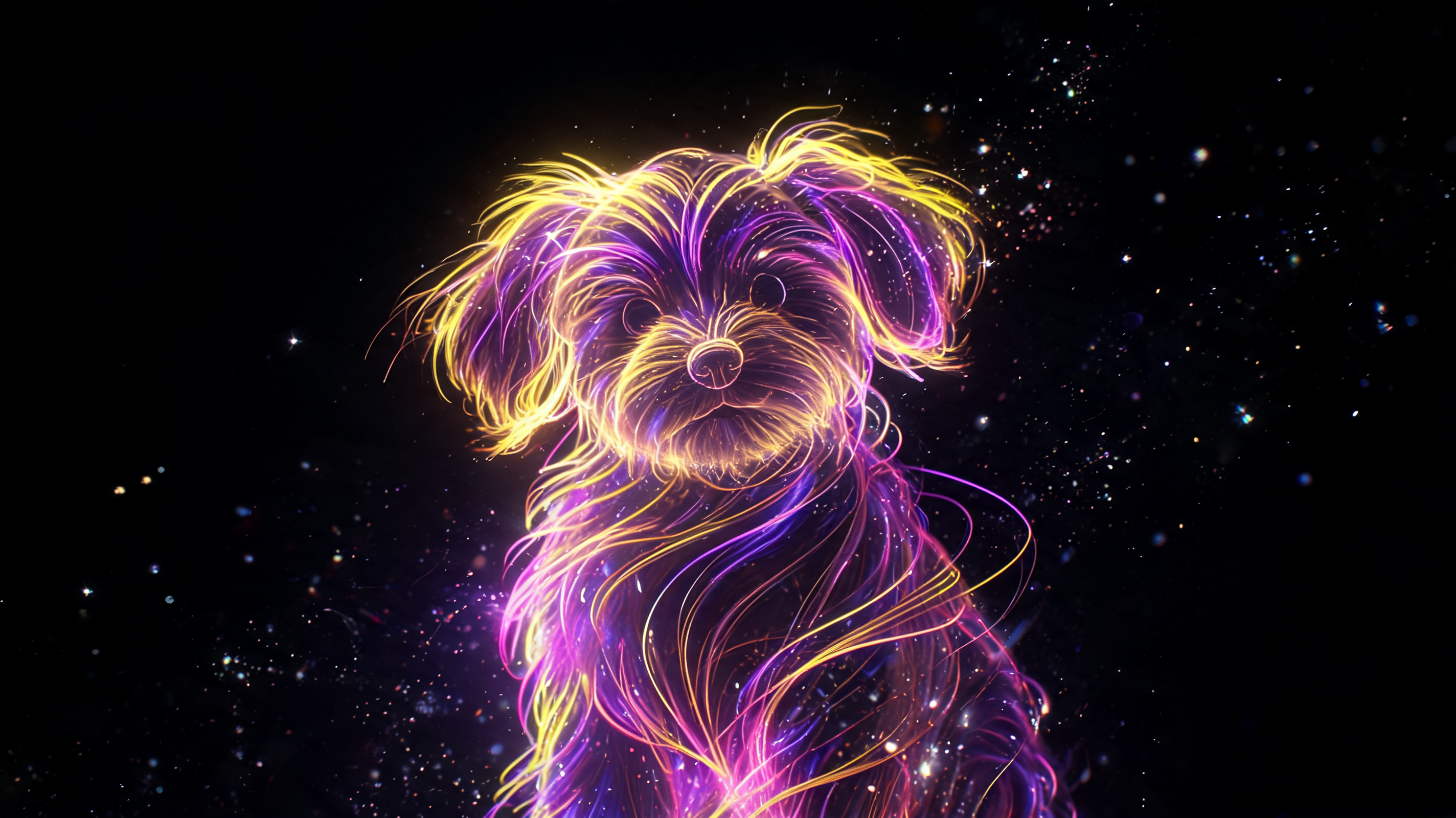
How to use AI for pet product photos: show food, beds, and toys through pet emotion, which models keep animals accurate, and why paws and fur are hardest.
Pet owners buy with their hearts. A happy dog next to its bowl or a cat sprawled out on a new bed sells kibble and accessories better than any spec sheet ever will. That's why AI for pet product photos works best when the pet's emotion carries the shot, and the product itself plays a supporting role. Animals happen to be one of the trickiest subjects for AI to render well, and I'll get into why below.
Emotion Comes Before the Product
The usual rules of product photography flip here. The packaging isn't the star, the pet enjoying it is. A happy dog with a new toy, a cat curled up comfortably on a bed, a puppy gnawing on a treat, these images go straight for the buyer's feelings. For a lifelike face and natural movement, Hailuo handles expressions and motion well. For a clean product shot of packaging next to the animal, Nano Banana keeps textures accurate.
What Shoppers Still Check Before They Buy
Emotion sells, but buyers still look for substance before they decide. Size matters relative to the animal: a bed needs to look like it actually fits, a bowl needs to look the right size for the portion. Ingredients and purpose should read clearly on the label. Material quality matters too: a leash should look sturdy, and a toy should look safe to chew. Give these facts their own shots instead of burying them in a cute scene.
Why AI Still Struggles With Animals
I'll be honest here instead of overselling this. Animal anatomy is hard for these models for roughly the same reason hands are hard for people, and I covered that pattern in more detail separately. Fur makes it worse, since it tends to smear or blur with any motion, and the more active the pose, the higher the chance something comes out wrong.
So I keep the animal's pose calm, I'm careful with anything dynamic, and I check every single frame before using it. Long-haired breeds rarely come out clean on the first try for me, so I budget extra time for those.
Flami can generate both the touching pet shot and the clean packaging image from a product photo. Just double-check the animal for extra paws before you upload the shot.
FAQ
How do you sell pet products using AI images?
Lead with the pet's emotion: a happy dog with a toy, a cat on a bed, a puppy with a treat. In this category the animal enjoying the product is the hero, not the packaging, so emotion in the shot sells harder than specs do.
Why does AI struggle to render animals accurately?
Animal anatomy is tough for models for the same reason hands are, and fur adds another layer of difficulty since it blurs with motion. A calm pose, careful handling of dynamic shots, and picking the cleanest frame from several generations all help.
Which AI model works best for pet products?
Hailuo is solid for lifelike faces and natural expressions. Nano Banana works well for clean packaging shots next to the pet. For a specific product and breed, it's worth running a couple of models and picking whichever frame has no anatomy errors.
What should a pet food or accessory listing actually show?
Beyond the emotional shot, give buyers the facts in separate images: size relative to the animal, ingredients and purpose readable on the label, and material quality like leash strength or toy safety. That way shoppers get both the appeal and the practical details they need.
Sources
- Flami: Hailuo review
- Flami: why AI generators mess up hands, text, and logos
About the author
Daniel Reed
Head of content at Flami