
AI for Pet Store Content: Fur and Breed Details Give It Away First
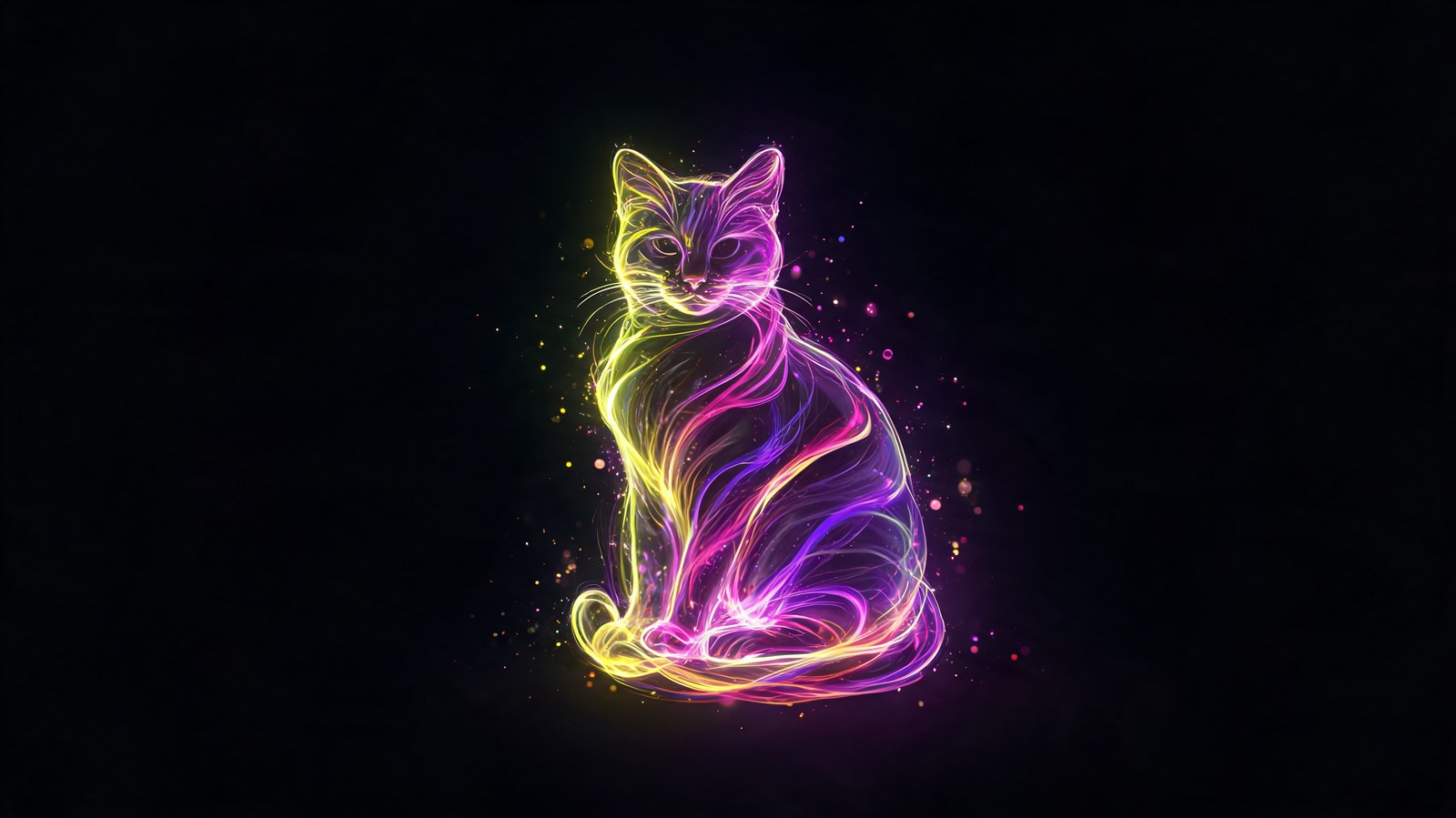
AI handles pet store backgrounds and promo graphics fine, but not animals with products. Here's where generation gets breeds wrong and why shoppers notice.
AI for pet store content is going into front of an audience that knows the subject better than average shoppers do. Owners of purebred animals spot wrong ear carriage or off-breed fur texture before they even finish reading the caption.
What AI handles well
Pricing sheets, promo banners, post covers.
Backgrounds and settings around a real product shot: food bags, beds, accessories.
Illustrations for care and feeding articles.
Seasonal content: winter prep, summer walks, holiday roundups.
What you shouldn't generate
Purebred animals as stand-ins for a breed-specific product. Owners catch the mismatch instantly.
Customers' own pets, or anything that reads as a testimonial shot.
Ingredient lists and weight on food packaging. This is health-critical information, and generated text keeps getting these details wrong. We covered why this happens in a separate piece.
Scenes where an animal interacts with a product in a way that looks unsafe: the model has no idea how a specific toy is meant to be used.
How AI works for pet store content
The product gets shot for real, and AI changes the background and setting around it. One bag of food can become a dozen different scenes for different occasions.
Animals in the frame should come from real shoots or licensed stock. There's a dedicated piece on shooting pet products.
Fur remains the weak point even when you're only swapping the background: at the edge of the new backdrop, it tends to blur into a flat mass. That area is worth checking at full zoom.
If you do generate an animal for a generic illustration, keep the breed traits neutral. A mixed-breed silhouette is more honest than a specific breed rendered wrong.
What to show instead of generated pets
The product itself, up close: food texture, bed density, how tight the stitching is on a toy.
Real animals, with owner consent.
A written breakdown of ingredients and intended use.
The product in use over time, if you've tracked how it holds up after a month.
FAQ
Why shouldn't you generate purebred animals? Breed owners spot wrong ear shape or off-texture fur almost immediately, and that erodes trust in the store.
What about text on food packaging? Keep it real. Ingredients and weight are health-critical, and AI keeps getting text like this wrong.
What should I check when swapping a background behind an animal? The fur edge. It blurs into a flat mass and gives the edit away.
Can I generate a generic animal for illustration purposes? Better to keep it breed-neutral. A mixed-breed look beats a specific breed rendered incorrectly.
What's safe to generate for pet store content overall? Pricing and promo graphics, backgrounds around real product shots, and illustrations for care-related articles.
Sources
About the author
Megan Brooks
Reviewer at Flami