
AI Video for Skincare, Supplements, and Home Goods: What Gets Flagged in Review
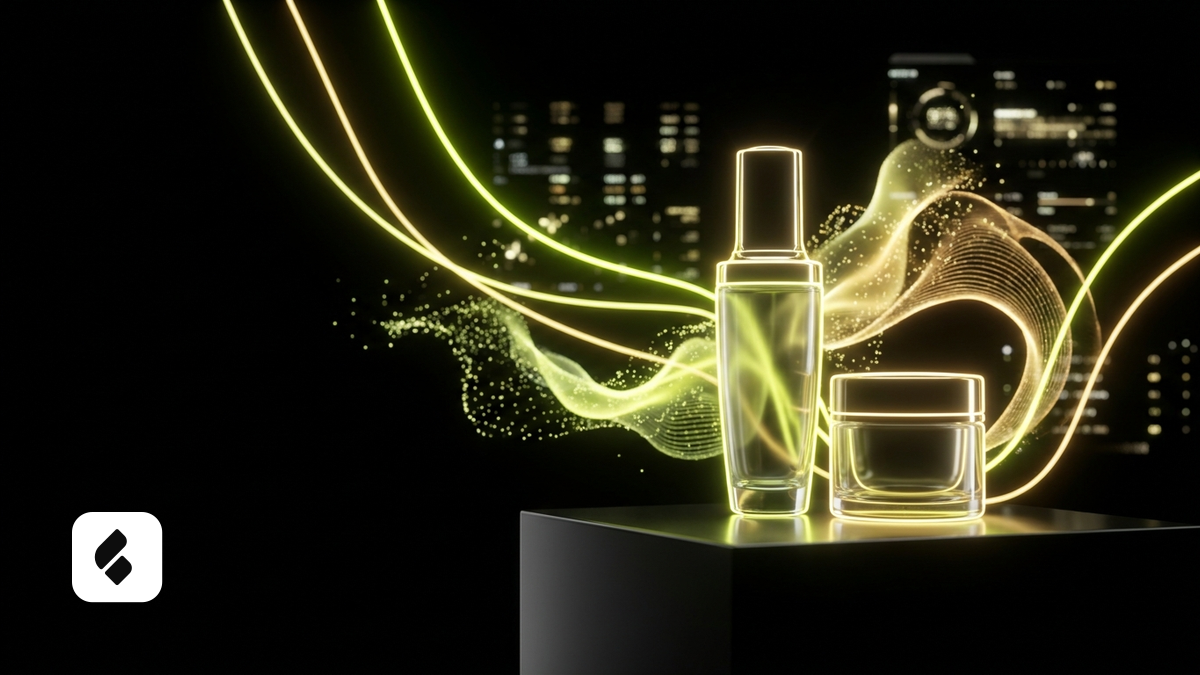
AI video for skincare, supplements, and home goods: which shots actually work, which models nail texture, and what claims get your video rejected or fined.
Skincare, supplements, and home goods each sell differently, and supplements are the category where you're most likely to get a video flagged or rejected. I'll walk through AI video for skincare and the two categories next to it, covering which shots actually work and, separately, which words can sink your ad no matter how good the footage looks. For two of these three categories, the second part matters more than the visuals.
Skincare: texture sells, keep the claims modest
Skincare sells on texture and feel. Cream gets squeezed out, serum catches the light, lipstick glides across a surface: these are the exact kinds of close-ups an AI model handles well, and the glossy sheen and reflections usually come out convincing. For micro-detail and realistic surface work, Seedream 5.0 is strong for product shots; I covered it in the Seedream 5.0 review, and animating a product photo straight from a jar shot is easy with image-to-video.
Where you need to slow down is the claims. A "before and after" sequence showing wrinkles smoothing out reads as a medical claim, and ad platforms will reject it. Show the product and the texture, not a miracle transformation on someone's face, and you'll run into fewer rejections.
Supplements: the visuals barely matter, the rules do
With supplements, the picture is the easy part. What you say in the voiceover is where the risk lives. Supplements are legally not drugs, and you can't claim one treats, cures, or diagnoses a condition. "Gets rid of joint pain," "cures," and similar phrasing is a direct path to a rejected ad and a possible fine. None of that has anything to do with the AI model. It's about the script and the voice reading it.
Honestly, this category isn't about making an impressive video. It's about staying careful. A safe approach shows the packaging, the ingredient list, the format, how easy it is to take, all without medical promises or anyone dressed as a doctor on screen. Less exciting, but it clears review. If you're unsure about a line of copy, cut it rather than find out the hard way with the platform.
Home goods: show it in a room, show it working
This is the easy category, with no legal pitfalls to worry about. A home product sells through a scene of someone using it: a lamp glowing in a cozy room, a container snapping shut, a mop clearing a mess in seconds. AI models are good at placing an object convincingly inside a real interior and showing it doing its job. Where mechanics matter, how something moves or clicks in someone's hands, Wan handles physics and product detail well; I broke that down in the Wan 2.7 review.
One rule that applies to all three
The stricter the regulation around a category, the more the words matter over the footage. For home goods, go ahead and lean into a wow moment. For skincare, keep the claims modest. For supplements, stick to dry facts. One caveat: I'm not a lawyer, and for anything borderline in supplement advertising, it's worth checking with someone who specializes in it. A mistake there costs more than the video itself.
All three categories can be produced in Flami from a single product shot. But for skincare and supplements, read the script and voiceover yourself before publishing. That's not the part you want to put on autopilot.
FAQ
Can I show a "before and after" effect in a skincare video?
Be careful with this one. Showing a medical-looking result, like wrinkles disappearing, reads as a treatment claim, and ad review will usually reject it. It's safer to show the product, the texture, and how it's applied rather than a transformation on someone's face.
What can't I say in a supplement ad?
You can't claim it treats, cures, or diagnoses a condition. Supplements aren't drugs. Phrases like "cures" or "eliminates the disease" lead to rejected ads and potential fines. A safe video shows packaging, ingredients, and how it's taken, with no medical claims attached.
Which AI model works best for skincare videos?
For close-ups of texture and sheen, Seedream 5.0 does a solid job rendering micro-detail and gloss. Animating a product photo is straightforward with image-to-video. Still worth checking the finished clip for artifacts before publishing.
Is it hard to get these categories approved?
Supplements are the toughest: rejections usually come from the voiceover wording, not the visuals. Skincare needs some care around how you present results. Home goods clear review easily. For anything gray-area, check with a lawyer first. The cost of a mistake outweighs the cost of the video.
Sources
- Flami: image-to-video, how to animate a product photo
- Flami: Seedream 5.0 review for product shots
About the author
Daniel Reed
Head of content at Flami